Property management is one of the most important—and often underestimated—parts of real estate investing. You can buy a great property at the right price, but if it’s poorly managed, your returns will suffer quickly.
At its core, property management is about maintaining your property, managing tenants, and ensuring consistent cash flow. Whether you manage properties yourself or hire a professional, understanding the basics is essential for long-term success.
This guide breaks down how property management works in the U.S., with practical tips, real-world examples, and a clear framework you can apply.
What Is Property Management?
Property management involves overseeing the daily operations of a rental property. This includes:
- Finding and screening tenants
- Collecting rent
- Handling maintenance and repairs
- Managing finances
- Ensuring legal compliance
It’s essentially the operational side of real estate investing.
If you're new to investing, start here:
How Real Estate Investing Works — https://statush.com/real-estate/how-real-estate-investing-works
How Property Management Works
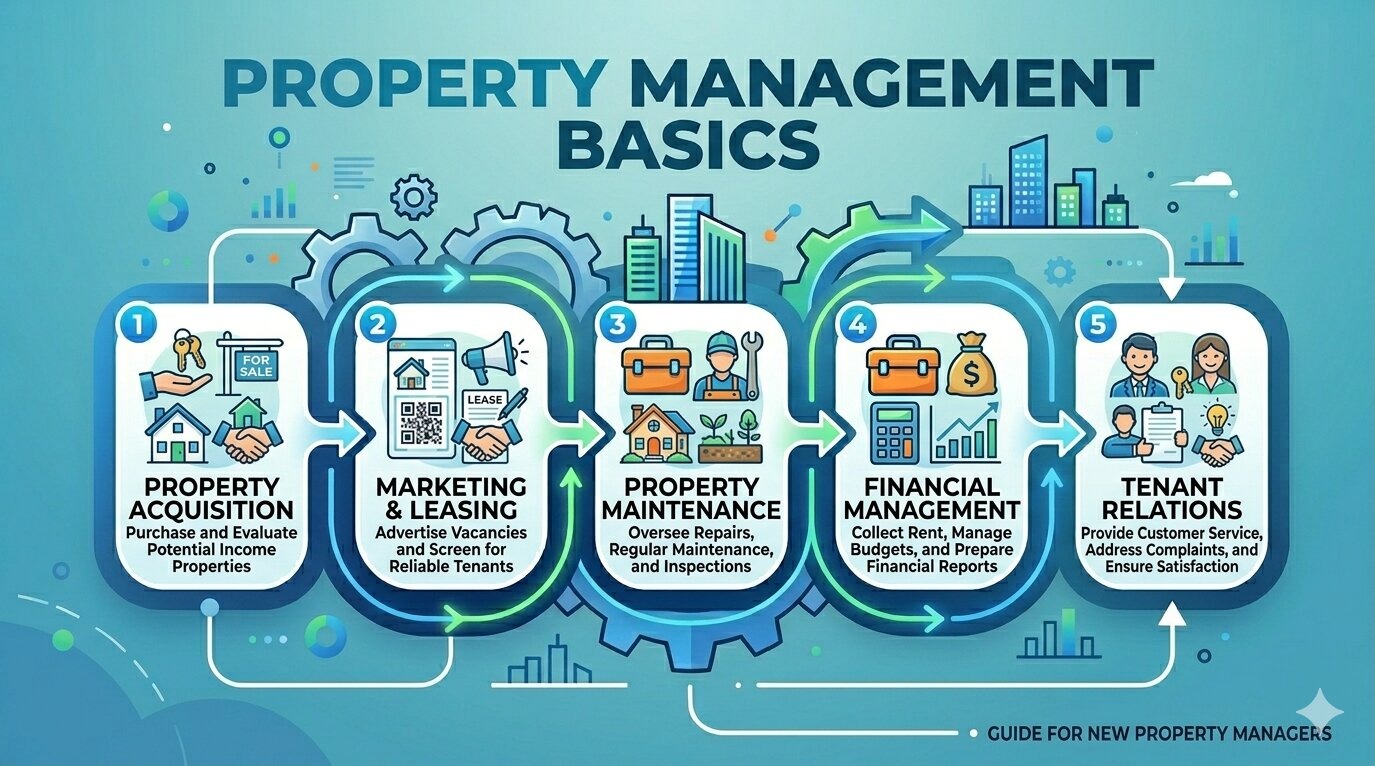
Every rental property follows a basic management cycle.
| Stage | What Happens | Key Focus |
|---|---|---|
| Tenant Acquisition | Market and fill vacancies | Attract quality tenants |
| Lease Management | Sign agreements and enforce terms | Legal clarity |
| Rent Collection | Receive monthly payments | Consistent cash flow |
| Maintenance | Handle repairs and upkeep | Property condition |
| Financial Tracking | Monitor income and expenses | Profitability |
Each stage plays a critical role in protecting your investment.
Real-World Example: Managed vs Poorly Managed Property
Let’s compare two similar rental properties in Orlando, Florida.
Property A (Well Managed)
- Rent collected on time
- Regular maintenance
- Good tenant retention
- Annual profit: ~$6,000
Property B (Poorly Managed)
- Frequent late payments
- Delayed repairs
- High tenant turnover
- Annual profit: ~$2,500
Same market, similar property—but management makes a huge difference.
Self-Management vs Hiring a Property Manager
One of the first decisions you’ll make is whether to manage the property yourself.
| Option | Pros | Cons |
|---|---|---|
| Self-Management | Save fees, full control | Time-consuming, requires knowledge |
| Professional Management | Less effort, expertise | Costs 8–12% of rent |
When to Self-Manage:
- You have few properties
- You live near the property
- You want to learn the business
When to Hire:
- You own multiple properties
- You live out of state
- You prefer passive income
Tenant Screening: The Foundation of Good Management
The quality of your tenants determines the quality of your investment.
Good screening reduces:
- Late payments
- Property damage
- Evictions
Key checks include:
- Credit score
- Income verification
- Rental history
- Background check
Learn more here:
How to Screen Rental Tenants — https://statush.com/real-estate/how-to-screen-rental-tenants
Setting the Right Rent Price
Pricing your rental correctly is critical.
Too High:
- Longer vacancies
- Fewer applicants
Too Low:
- Lost income
- Lower ROI
A good strategy is to:
- Analyze comparable rentals
- Adjust based on demand
- Review annually
For detailed guidance:
How to Set Rental Prices — https://statush.com/real-estate/how-to-set-rental-prices
Maintenance and Repairs
Maintenance is unavoidable—but how you handle it makes all the difference.
Types of Maintenance:
- Routine (HVAC servicing, landscaping)
- Emergency (plumbing leaks, electrical issues)
- Preventive (inspections, upgrades)
Best Practices:
- Respond quickly to issues
- Build a network of contractors
- Budget for ongoing repairs
To understand costs:
Property Maintenance Costs Explained — https://statush.com/real-estate/property-maintenance-costs-explained
Rent Collection and Cash Flow Management
Consistent rent collection is the backbone of your investment.
Tips:
- Use online payment systems
- Set clear due dates
- Enforce late fees consistently
Tracking income and expenses helps you stay profitable.
For deeper insights:
How to Analyze Rental Property Profitability — https://statush.com/real-estate/how-to-analyze-rental-property-profitability
Legal Responsibilities in the U.S.
Property management comes with legal obligations.
Key Areas:
- Lease agreements
- Security deposit rules
- Eviction laws
- Fair housing regulations
These vary by state, so it’s important to stay informed.
Reducing Expenses and Increasing Efficiency
Good management isn’t just about handling problems—it’s about improving performance.
Ways to Optimize:
- Reduce vacancies
- Minimize maintenance costs
- Improve tenant retention
- Automate processes
For cost-saving strategies:
How to Reduce Rental Property Expenses — https://statush.com/real-estate/how-to-reduce-rental-property-expenses
Common Property Management Mistakes
Even experienced investors make mistakes.
Poor Tenant Selection
Leads to long-term issues.
Delayed Maintenance
Small problems become expensive repairs.
Lack of Systems
Disorganized processes reduce efficiency.
Ignoring Financial Tracking
Without numbers, you can’t measure performance.
For broader pitfalls:
Real Estate Investing Mistakes to Avoid in USA — https://statush.com/real-estate/real-estate-investing-mistakes-to-avoid-in-usa
Property Management and Portfolio Growth
As your portfolio grows, management becomes more complex.
You’ll need:
- Systems and processes
- Reliable contractors
- Possibly a management team
This is why many investors transition from self-management to professional management over time.
To understand scaling:
How to Build a Rental Property Portfolio — https://statush.com/real-estate/how-to-build-a-rental-property-portfolio
When Property Management Matters Most
Property management becomes especially critical when:
- You own multiple properties
- You invest out of state
- You rely on rental income
It becomes less demanding when:
- You have high-quality tenants
- Properties are newer or low-maintenance
Final Thoughts
Property management is not just a task—it’s a skill that directly impacts your profitability as a real estate investor. Strong management leads to:
- Stable cash flow
- Lower expenses
- Better tenant relationships
- Long-term property value
Whether you manage properties yourself or hire professionals, understanding these basics will help you protect and grow your investment.
If you treat property management as a priority—not an afterthought—you’ll set yourself up for long-term success in real estate.
To explore how management fits into a broader strategy:
Best Real Estate Investment Strategies — https://statush.com/real-estate/best-real-estate-investment-strategies