Rewards credit cards are one of the most appealing financial tools in the USA. The idea is simple: spend money and earn something back—whether it’s cashback, travel points, or perks. But once you dig a little deeper, things can get confusing fast.
Different reward structures, redemption rules, bonus categories, and point values can make it hard to know what you’re actually earning. This guide breaks everything down in a clear, practical way so you can understand how rewards credit cards really work—and how to use them wisely.
What Is a Rewards Credit Card?
A rewards credit card is a type of credit card that gives you benefits for spending. Instead of just paying for purchases, you earn something back every time you use the card.
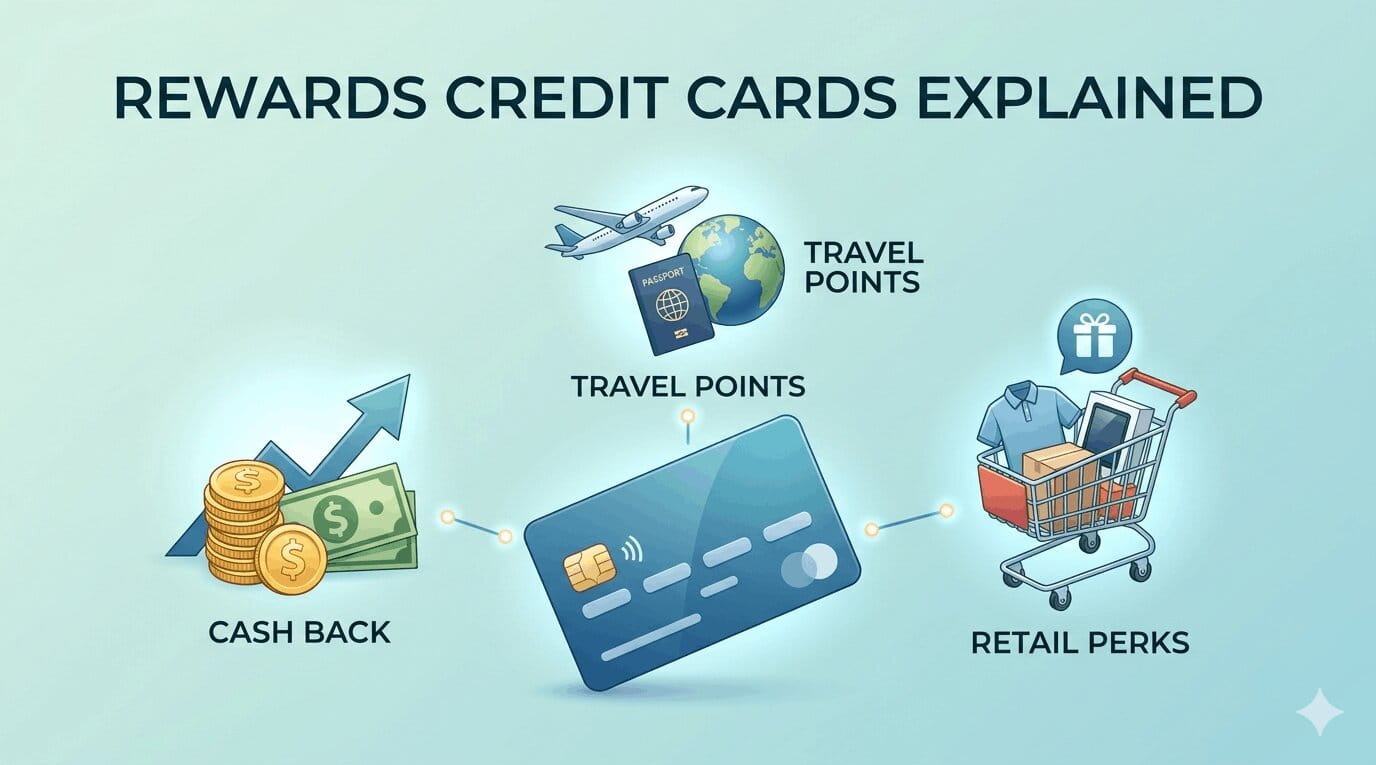
This “reward” usually comes in one of three forms:
- Cashback
- Points
- Travel miles
The concept is straightforward, but the value you get depends heavily on how you use the card.
If you’re new to credit cards overall:
How Credit Cards Work in the USA
https://statush.com/credit-cards-banking/how-credit-cards-work-in-the-usa
How Rewards Are Earned
Every rewards credit card has a earning structure, which determines how many rewards you get per dollar spent.
Some cards offer a flat rate, such as 2% cashback on everything. Others use bonus categories, like:
- 3% on dining
- 2% on groceries
- 1% on all other purchases
For example, if you spend $500 on groceries with a 2% cashback card, you earn $10 back.
This might seem small at first, but over time it adds up—especially if you use the card for everyday expenses.
Types of Rewards Credit Cards
Rewards credit cards generally fall into three main categories, and each one works a little differently.
Cashback Credit Cards
Cashback cards are the simplest type. You earn a percentage of your spending back as cash.
For example, if your card offers 1.5% cashback and you spend $1,000, you earn $15.
There’s no need to worry about complicated redemption rules. The value is fixed and easy to understand, which makes cashback cards ideal for beginners.
Points-Based Credit Cards
Points cards give you points instead of cash. These points can be redeemed for various options like travel, gift cards, or statement credits.
The tricky part is that the value of points can vary. One point might be worth 1 cent when redeemed for cash but more when used for travel.
This flexibility can increase value—but it also requires more attention.
Travel Rewards Credit Cards
Travel cards are a specialized type of points card. They allow you to earn miles or travel points that can be redeemed for flights, hotels, and travel experiences.
These cards often offer higher value if you redeem rewards strategically.
To explore this in detail:
Best Travel Credit Cards in the USA
https://statush.com/credit-cards-banking/best-travel-credit-cards-in-the-usa
Simple Comparison of Reward Types
| Reward Type | Ease of Use | Value Potential | Best For |
|---|---|---|---|
| Cashback | Very easy | Fixed | Beginners |
| Points | Moderate | Variable | Flexible users |
| Travel | Complex | High | Frequent travelers |
Real-World Example
Let’s take a simple example.
Emma uses a rewards credit card for her monthly expenses:
- Groceries: $400
- Dining: $200
- Gas: $150
Her card offers:
- 2% on groceries
- 3% on dining
- 1% on everything else
In one month, she earns:
- $8 from groceries
- $6 from dining
- $1.50 from gas
Total: $15.50
Over a year, that’s nearly $186—just from regular spending.
Redemption Options Explained
Earning rewards is only half the story. How you redeem them matters just as much.
Most cards offer multiple redemption options:
- Statement credit (reduces your balance)
- Direct deposit or cashback
- Travel bookings
- Gift cards
Cashback is the simplest and most predictable. Travel redemptions, however, can often give higher value per point.
For example, 50,000 points might be worth $500 in cash—but could be worth $700 or more when used for flights.
Signup Bonuses: Fast Rewards Boost
Many rewards credit cards offer welcome bonuses.
For example:
- Spend $2,000 in 3 months
- Earn $200 cashback or 50,000 points
These bonuses can provide a large portion of your total rewards, especially in the first year.
However, it’s important not to overspend just to earn the bonus. The goal is to meet the requirement using planned expenses.
Fees and Costs to Consider
Rewards are attractive, but they often come with costs.
Some cards charge annual fees, while others are free. Cards with higher fees usually offer better rewards or premium benefits.
Common fees include:
- Annual fees
- Late payment fees
- Foreign transaction fees
To understand this better:
Credit Card Fees Explained
https://statush.com/credit-cards-banking/credit-card-fees-explained
Interest Can Cancel Out Rewards
One of the biggest mistakes people make is focusing on rewards while ignoring interest.
If you carry a balance, interest charges can quickly exceed the value of your rewards.
For example:
- Earned rewards: $200
- Interest paid: $300
In this case, you actually lose money.
To avoid this:
How Credit Card Interest Works
https://statush.com/credit-cards-banking/how-credit-card-interest-works
Common Mistakes to Avoid
Rewards credit cards are powerful, but they require discipline.
One common mistake is chasing rewards by spending more than necessary. Rewards should come from planned spending—not extra purchases.
Another issue is ignoring redemption value. Not all points are equal, and poor redemption choices can reduce their value significantly.
Paying only the minimum balance is another costly habit. It leads to interest charges that can erase rewards.
Learn more:
How Minimum Payments Affect Credit Card Debt
https://statush.com/credit-cards-banking/how-minimum-payments-affect-credit-card-debt
How to Choose the Right Rewards Card
Choosing the right rewards card depends on your spending habits.
If you prefer simplicity, cashback cards are usually the best option. They offer predictable value and easy redemption.
If you want flexibility, points-based cards provide more options.
If you travel frequently, travel rewards cards can deliver the highest value.
For a detailed guide:
How to Choose the Right Credit Card
https://statush.com/credit-cards-banking/how-to-choose-the-right-credit-card
Practical Tips for Maximizing Rewards
Maximizing rewards doesn’t require complicated strategies, but it does require consistency.
Start by using your card for everyday expenses. This ensures steady reward accumulation.
Pay attention to bonus categories and use the right card for the right purchase.
Redeem rewards strategically instead of rushing to cash out.
Most importantly, always pay your balance in full to avoid interest.
Rewards vs Cashback: Which Is Better?
Many people wonder whether rewards cards are better than simple cashback cards.
The answer depends on your preferences.
Cashback cards are easier to use and offer predictable value. Rewards cards can offer higher value but require more effort and understanding.
If you enjoy optimizing and planning, rewards cards can be more beneficial. If you prefer simplicity, cashback may be the better choice.
For a full comparison:
Cashback vs Travel Rewards Credit Cards
https://statush.com/credit-cards-banking/cashback-vs-travel-rewards-credit-cards
Final Thoughts
Rewards credit cards are a great way to get more value from your everyday spending—but only if used correctly.
They are not free money. They are incentives designed to encourage spending.
If you stay disciplined, pay your balance in full, and choose the right card, rewards can add real value to your financial life.
But if you overspend or carry a balance, those same rewards can quickly disappear.
In the end, the best strategy is simple: spend wisely, redeem smartly, and stay in control.