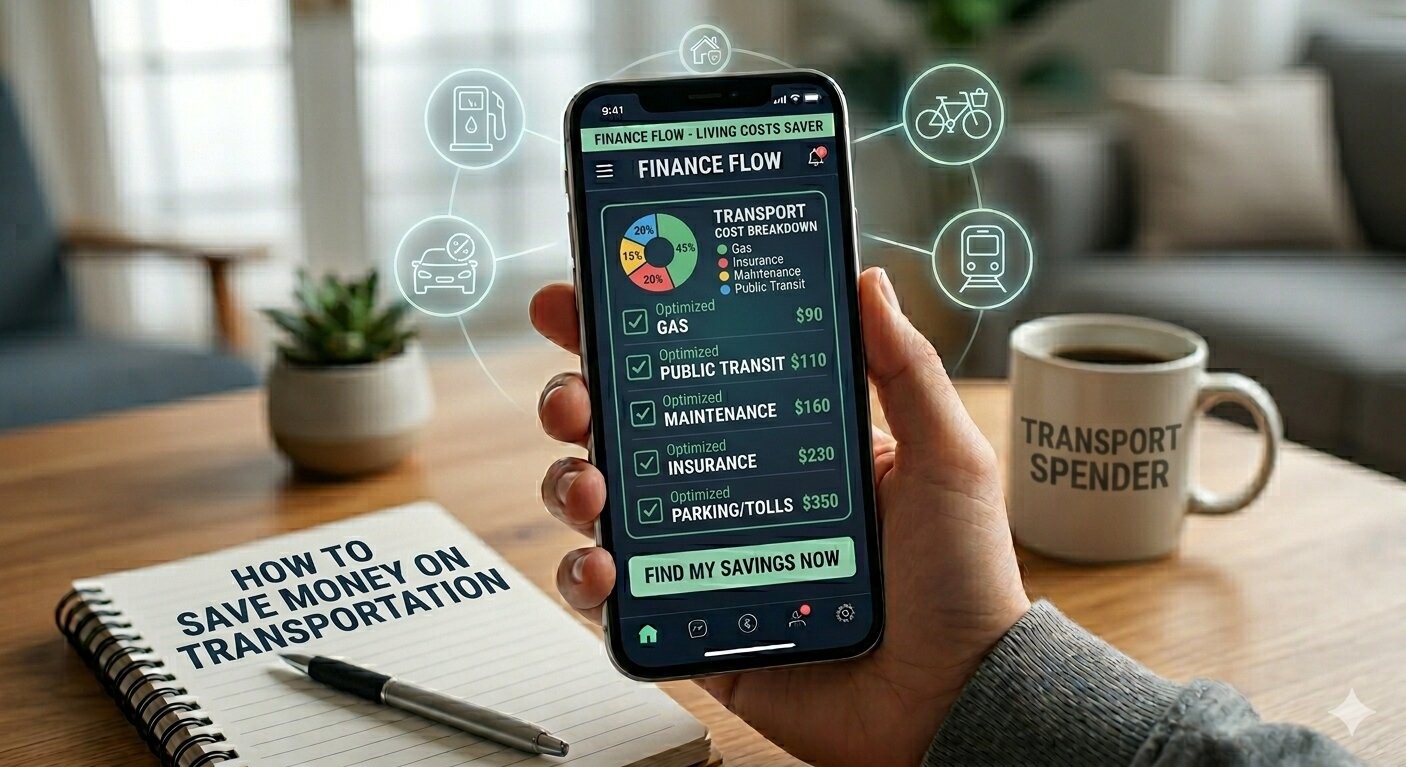
Transportation is one of those everyday expenses that feels unavoidable. Whether it’s fuel, public transport, ride-hailing, or vehicle maintenance, the costs add up quietly—but significantly—over time.
The good news is that you don’t need to stop traveling or compromise convenience to save money. With a few smart adjustments, you can cut transportation costs without affecting your daily routine too much.
Why Transportation Costs Add Up So Quickly
Unlike rent or groceries, transportation expenses often go unnoticed because they’re spread across small, frequent payments:
- Fuel refills
- Auto/cab rides
- Parking fees
- Vehicle maintenance
- Occasional long trips
Example:
Spending ₹200–₹300 daily on travel may not feel like much, but:
| Daily Cost | Monthly Cost |
|---|---|
| ₹200 | ₹6,000 |
| ₹300 | ₹9,000 |
That’s a significant portion of your income going into movement alone.
If you want a complete view of your expenses, pairing this with How to Track Your Spending Effectively (https://statush.com/money/how-to-track-your-spending-effectively) can make a big difference.
Use Public Transport Whenever Possible
This is one of the simplest and most effective ways to reduce costs.
Why it works:
- Much cheaper than private vehicles or cabs
- No fuel or maintenance expenses
- Predictable costs
Real-world example:
Daily cab commute: ₹300 × 22 days = ₹6,600
Public transport: ₹1,500–₹2,000/month
Savings: ₹4,000+ every month
Even switching partially (2–3 days/week) can reduce costs noticeably.
Combine Trips to Save Fuel
Many people waste fuel by making multiple small trips.
Smarter approach:
- Plan errands in one go
- Avoid unnecessary short-distance drives
- Use digital planning (maps, lists)
Example:
Instead of 3 separate trips in a day, combine them into one route—saving fuel, time, and effort.
This habit fits well with broader strategies from Smart Ways to Reduce Living Costs (https://statush.com/money/smart-ways-to-reduce-living-costs).
Maintain Your Vehicle Regularly
Skipping maintenance may save money short term—but costs more later.
Important checks:
- Tire pressure
- Engine servicing
- Oil changes
- Brake condition
Why it matters:
A poorly maintained vehicle:
- Consumes more fuel
- Breaks down more often
- Leads to expensive repairs
Example:
Proper tire pressure alone can improve fuel efficiency by 3–5%.
Carpool or Share Rides
If you commute daily, this is a powerful way to reduce costs.
Benefits:
- Split fuel or cab costs
- Reduce vehicle wear and tear
- Lower environmental impact
Example:
Fuel cost ₹6,000/month → Shared between 2 people = ₹3,000 each
This is especially useful for office workers or students traveling similar routes.
Choose the Right Vehicle for Your Needs
Sometimes, the biggest savings come from choosing the right mode of transport.
Consider:
- Two-wheeler vs car
- Fuel-efficient vehicles
- Electric vehicles (EVs)
Example:
A two-wheeler may cost ₹1,500–₹2,000/month in fuel
A car may cost ₹6,000–₹10,000/month
Switching based on your needs can significantly reduce expenses.
Avoid Unnecessary Cab Usage
Ride-hailing apps are convenient—but expensive when used regularly.
Smart habits:
- Use cabs only when necessary
- Compare prices before booking
- Avoid peak pricing hours
Example:
Daily cab usage → ₹8,000/month
Occasional use → ₹2,500/month
Savings: ₹5,500/month
Use Monthly Passes and Discounts
If you rely on public transport, monthly passes can reduce costs further.
Benefits:
- Lower per-trip cost
- Predictable monthly spending
- No need for daily payments
Many cities also offer:
- Student discounts
- Corporate travel benefits
Always check available options.
Track and Analyze Your Transportation Spending
You can’t reduce what you don’t measure.
Action steps:
- Track daily travel expenses
- Identify high-cost patterns
- Adjust habits accordingly
For example:
- Frequent short cab rides → switch to walking or bike
- High fuel usage → optimize routes
You can improve this habit using tools from Best Apps for Expense Tracking (https://statush.com/money/best-apps-for-expense-tracking).
Walk or Cycle for Short Distances
Not every trip needs a vehicle.
Ideal for:
- Distances under 2–3 km
- Nearby errands
- Daily small tasks
Benefits:
- Zero cost
- Health improvement
- No traffic stress
Example:
Replacing even 10 short trips/month can save ₹500–₹1,000.
Plan Travel in Advance
Last-minute travel decisions often cost more.
Example:
- Booking tickets early → cheaper fares
- Planning routes → less fuel usage
- Avoiding peak times → lower costs
This is especially useful for:
- Intercity travel
- Business trips
- Family travel
Reduce Parking and Hidden Costs
Transportation isn’t just about fuel.
Hidden expenses include:
- Parking fees
- Tolls
- Fines
- Vehicle depreciation
Smart strategies:
- Park in free zones when possible
- Follow traffic rules to avoid fines
- Use apps to find cheaper parking
Even saving ₹50–₹100 daily here adds up.
Align Transportation With Your Budget
Transportation should fit within your overall financial plan—not disrupt it.
Ideal approach:
- Set a monthly transport budget
- Track and adjust weekly
- Avoid exceeding limits
This works best when combined with Best Budgeting Methods for Beginners (https://statush.com/money/best-budgeting-methods-for-beginners).
Common Mistakes to Avoid
While trying to save, many people make these mistakes:
- Using cheap options that waste time excessively
- Ignoring maintenance (leading to bigger costs)
- Overusing convenience services
- Not tracking small daily expenses
- Choosing status over practicality (expensive vehicles)
Avoiding these ensures sustainable savings.
How Transportation Savings Impact Your Finances
Reducing transportation costs doesn’t just save money—it creates opportunities.
For example:
- Saving ₹4,000/month = ₹48,000/year
- That money can go toward savings, investments, or debt repayment
This is how small changes contribute to long-term financial growth, especially when combined with How to Build a Financial Safety Net (https://statush.com/money/how-to-build-a-financial-safety-net).
Final Thoughts
Saving money on transportation isn’t about cutting convenience—it’s about making smarter choices.
You don’t need to eliminate travel or give up comfort. Just:
- Optimize how you travel
- Reduce unnecessary trips
- Use cost-effective options
Because in the end, transportation is a necessity—but overspending on it is not.
And once you control this expense, you’ll notice your overall budget becoming much easier to manage.