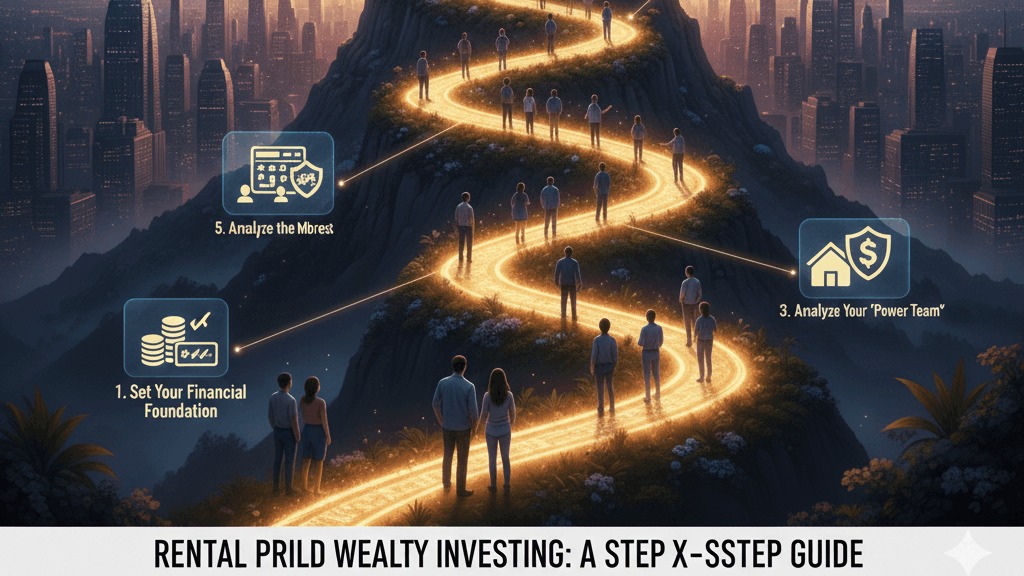
Buying a rental property is one of the most reliable ways to build long-term wealth, but it isn’t as simple as just buying a house and placing a "For Rent" sign in the yard. In 2026, successful investing requires data-driven analysis and a clear systems-based approach.
This guide provides a 7-step roadmap to taking you from "interested" to "invested."
Step 1: Set Your Financial Foundation
Before looking at houses, look at your bank account. Most lenders require a higher standard for investment properties than primary residences.
- The Down Payment: Typically 20% to 25% of the purchase price.
- Credit Score: Aim for 740+ to secure the best interest rates in 2026's stabilized market.
- Reserves: You should have at least 6 months of mortgage payments (PITI) in cash to cover potential vacancies or repairs.
Step 2: Choose Your Target Market
Don’t just buy where you live. In 2026, investors are looking for "high-demand, low-supply" areas.
- Job Growth: Look for cities with diversifying economies (Tech, Healthcare, Green Energy).
- Population Trends: Are people moving to this city?
- Landlord-Tenant Laws: Some states/cities are more landlord-friendly regarding evictions and rent control.
Step 3: Assemble Your "Power Team"
You don’t have to be an expert in everything if you hire people who are.
- Real Estate Agent: One who specifically understands "investor math" (Cap rates, NOI).
- Lender: A mortgage broker familiar with investment loans.
- Contractor: For quick turnarounds on repairs between tenants.
- Property Manager: Optional, but essential if you are investing out of state.
Step 4: Analyze the Numbers (The Math)
Never buy based on "gut feeling." Use these two primary metrics:
- Cash Flow: The money left over after every expense is paid.
- Cash-on-Cash Return: Your annual pre-tax cash flow divided by the total cash you invested. Aim for 8–12% in 2026.
Step 5: Secure Financing & Make an Offer
Once you find a property where the math works, move quickly.
- Get Pre-Approved: This makes your offer much stronger.
- The Inspection: Never skip this. In 2026, pay extra for a "sewer scope" and "foundation check" to avoid hidden five-figure disasters.
- Negotiate: Use the inspection report to ask for repairs or a price reduction (seller credits).
Step 6: Prepare the Property for Rent
Your goal is to make the home "tenant-proof" and attractive.
- Safety First: Update smoke detectors, locks, and ensure all windows operate.
- The "LVP" Rule: Luxury Vinyl Plank flooring is the 2026 gold standard—it’s waterproof, scratch-resistant, and looks like wood.
- Curb Appeal: A clean yard and a fresh coat of paint on the front door can increase your rental price significantly.
Step 7: Screen Tenants & Manage Professionally
A bad tenant is more expensive than a vacant property.
- The Background Check: Use an online service to check credit, criminal history, and past evictions.
- Income Verification: Ensure their monthly gross income is at least 3x the rent.
- The Lease: Use a state-specific lease agreement reviewed by an attorney to ensure you are protected.
Here are strong quote options for “Rental Property Investing: Step-by-Step Guide” — across different tones:
🔹 Practical
“Successful rental property investing isn’t luck — it’s a process followed step by step.”
🔹 Strategic
“From market research to tenant screening, each step you take today protects your profits tomorrow.”
🔹 Educational
“The difference between a stressful rental and a profitable one lies in preparation, numbers, and disciplined execution.”
🔹 Motivational
“Start with one property, follow the process, and let consistency build your portfolio.”
🔹 Forward-Focused
“A clear roadmap turns rental properties from risky ventures into reliable income streams.”
🔹 Concise & Impactful
“In rental investing, the plan is the profit.”