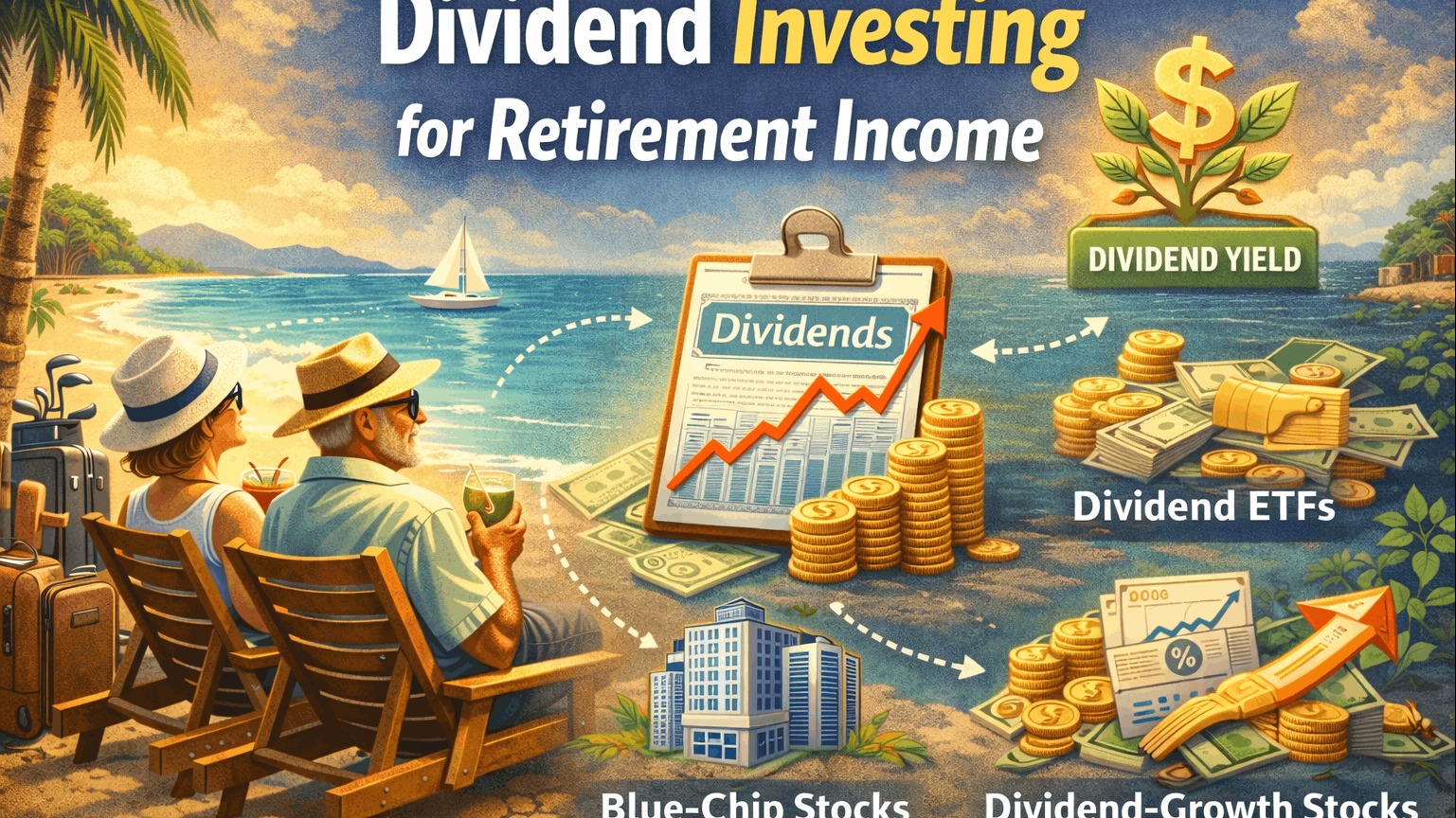
In 2026, dividend investing has transitioned from a "nice-to-have" bonus to a structural necessity for retirement income. With the One Big Beautiful Bill Act (OBBBA) making favorable tax brackets permanent and the SECURE Act 2.0 mandating Roth contributions for high earners, dividends now serve as a powerful tool for tax-efficient, inflation-protected cash flow.
Here is the 2026 definitive guide to building and managing a dividend-driven retirement.
1. The 2026 Dividend Tax Landscape
The OBBBA has solidified the tax advantages for dividend seekers, keeping the "Triple Zero" strategy alive for many.
- Qualified Dividend Rates: These are still taxed at preferential long-term capital gains rates: 0%, 15%, or 20%.
- The 0% Bracket Trap: In 2026, single filers with taxable income up to $49,450 (and married couples up to $98,900) pay $0 in federal taxes on qualified dividends.
- The Senior Shield: Don't forget the OBBBA's $6,000 Senior Deduction ($12,000 for couples 65+). This deduction can lower your taxable income, potentially pushing you back down into the 0% dividend tax bracket even if your gross income is higher.
2. Top Dividend Vehicles for 2026
Investors are moving beyond individual "Dividend Aristocrats" into diversified, high-yield ETFs that leverage AI-driven risk screening.
| Vehicle Type | Top 2026 Picks | 12-Month Yield (Avg) | Why it Works |
|---|---|---|---|
| Broad Market Dividend | SCHD (Schwab US Dividend) | 3.5% | Focuses on quality and cash flow; low expense ratio. |
| High Yield Value | VYM (Vanguard High Div) | 2.3% – 3.0% | Heavy tilt toward stable Financials and Healthcare. |
| International Income | VYMI (Intl High Div) | 3.5%+ | Captures higher global yields; good for currency diversification. |
| Monthly Pay REITs | Realty Income (O) | 5.0%+ | "The Monthly Dividend Company" – ideal for matching monthly bills. |
3. The "Roth-Dividend" Power Play
Under the new 2026 rules, if you earned over $150,000 in 2025, your catch-up contributions ($8,000 or the $11,250 Super Catch-Up) must go into a Roth account.
- The Strategy: High-yield assets—like REITs and Business Development Companies (BDCs)—which are usually taxed at high ordinary income rates, should be placed in these Roth accounts.
- The Result: You bypass the high tax rate on these yields, allowing the dividends to reinvest and grow tax-free forever.
[Image: A "Dividend Flow" chart showing dividends from a taxable account being taxed at 15%, while dividends in a Roth 401(k) or IRA flow back into the principal at 100% efficiency]
4. Avoiding "Yield Traps" in an AI World
In 2026, AI-driven "Agentic Trading" can cause sudden price volatility. Retirement investors must prioritize Dividend Safety over raw yield.
- Free Cash Flow (FCF) Coverage: Only invest in companies where FCF is at least 2x the dividend payout.
- The "Firefly" Warning: Avoid stocks with yields over 10% unless they are specialized structures like BDCs or REITs. In 2026, an 11% yield is often a "Firefly"—a bright light right before the company's stock price "burns out."
- Dividend Growth (CAGR): Seek companies with a 5-year dividend growth rate of 7% or higher to ensure your income keeps pace with 2026's cost of living.