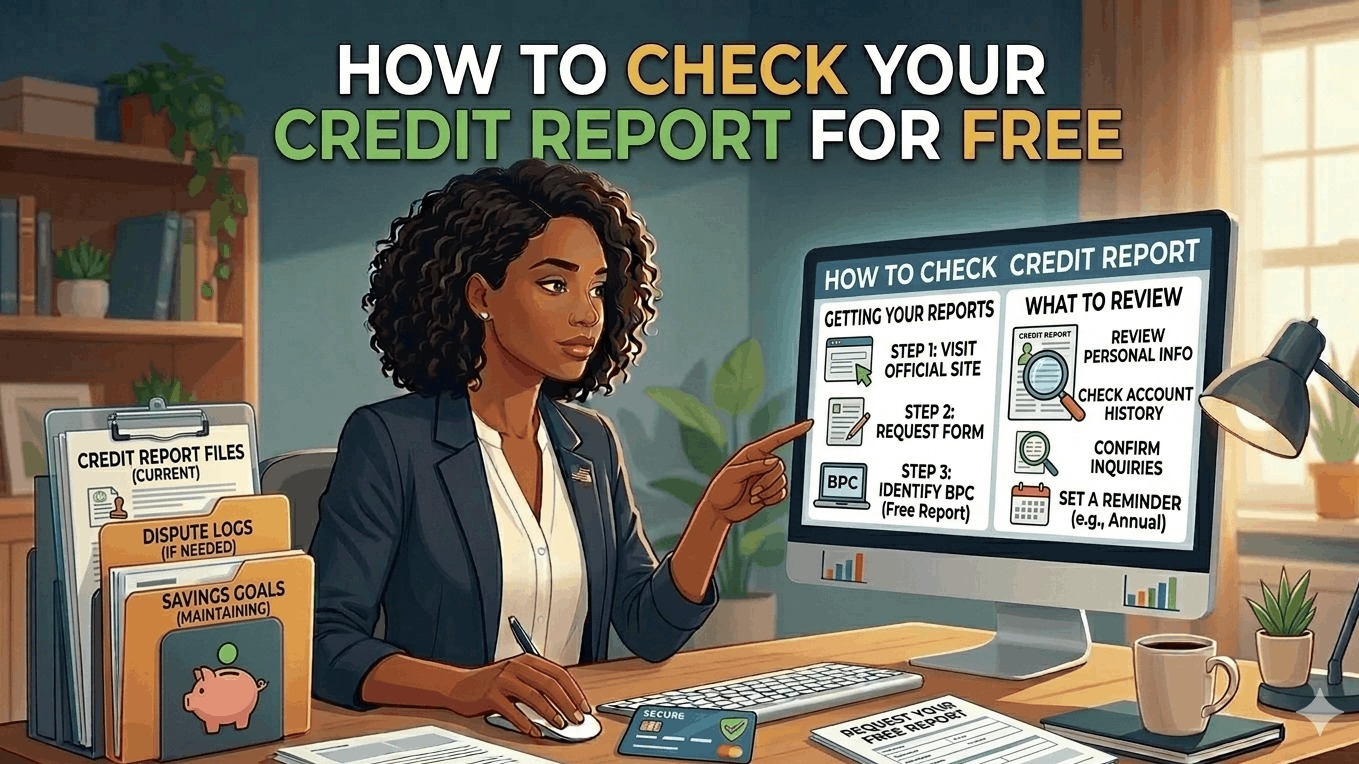
In 2026, staying on top of your credit has never been more accessible—or more important. A major shift in federal policy has turned what was once a "once-a-year" chore into a permanent weekly tool for financial health. Monitoring your reports is your first line of defense against identity theft and reporting errors that could cost you thousands in higher interest rates.
This guide covers the official methods to access your reports without spending a dime or falling for "free" trial scams.
1. The Gold Standard: AnnualCreditReport.com
While the name says "Annual," as of 2026, this site is actually your Weekly Credit Report hub. The three major bureaus (Equifax, Experian, and TransUnion) have permanently extended the program allowing every American to check their reports once a week for free.
Why it’s the only official site:
- Government Mandated: It is the only site authorized by Federal law to provide these free reports.
- No "Catch": You do not need to provide credit card info or sign up for a subscription.
- Direct Access: You get the full, detailed data that lenders see.
How to do it: Visit AnnualCreditReport.com or call 1-877-322-8228. You will need to verify your identity by answering "out-of-wallet" questions (e.g., "Which of these addresses have you lived at?").
2. Specialized Free Reports in 2026
Beyond the weekly weekly checks, specific U.S. regulations provide additional free reports for certain situations:
- The Equifax "6-per-Year" Rule: Through December 2026, everyone in the U.S. is eligible for six additional free credit reports specifically from Equifax.
- The Adverse Action Rule: If you are denied credit, insurance, or employment based on your report, you have the right to a free copy from the bureau used in that decision. You must request it within 60 days of receiving the denial notice.
- The Fraud/Identity Theft Rule: If you have reason to believe your file is inaccurate due to fraud, or if you place a fraud alert on your file, you are entitled to additional free reports.
- Unemployment/Welfare: If you are unemployed and plan to look for a job within 60 days, or if you receive public welfare assistance, you qualify for an extra free report annually.
3. Free Credit Monitoring Apps (The 2026 Landscape)
While AnnualCreditReport.com gives you the report (the data), it often does not include your score. For a real-time view of your score, several 2026 apps provide "soft-pull" updates:
- Experian App: Provides your Experian credit report and your FICO® Score 8 for free, updated every 30 days.
- Credit Karma: Provides your VantageScore 3.0 and reports from Equifax and TransUnion, updated daily or weekly.
- Your Bank/Credit Card: Most major U.S. banks (Chase, Amex, Capital One) now include a "Credit Journey" or "Credit Wise" feature in their mobile apps that shows your score for free.
4. What to Look For (The "Clean-Up" Checklist)
When you pull your free weekly report, scan for these specific "Red Flags":
- Unknown Addresses: Identity thieves often link their address to your profile.
- Inaccurate DPD (Days Past Due): Ensure a "30-day late" isn't actually a payment you made on time.
- Duplicate Accounts: Sometimes one debt is listed twice by different collectors; this kills your score.
- Hard Inquiries You Didn't Authorize: A sign that someone is trying to open credit in your name.